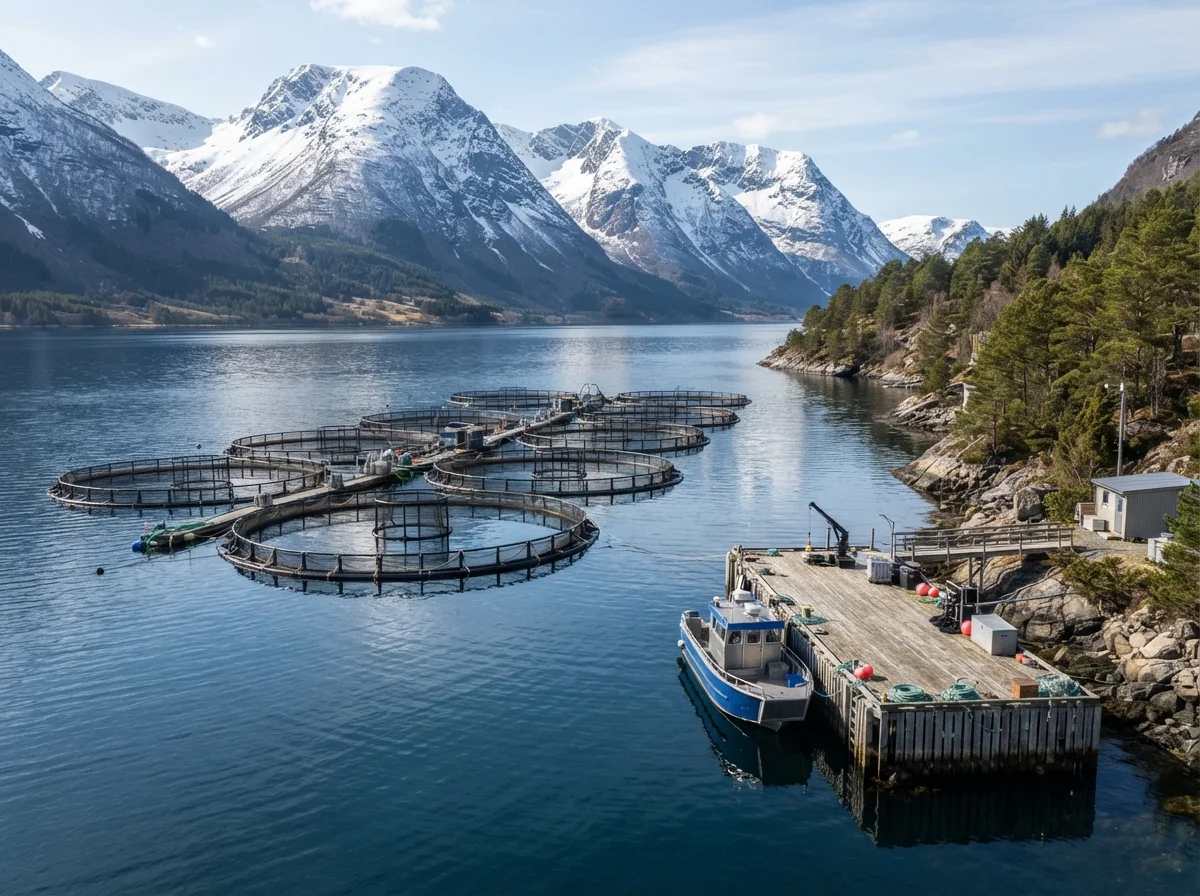
Norway is one of the largest exporters of farmed salmon, trout, cod and other seafood, and producers, processors and shippers send goods to buyers in the European Union, Asia and the United States who demand proof of health, origin and quality. Norwegian translation for seafood and aquaculture exporters covers health certificates, traceability records, product specifications, labels, farm reports, environmental permits, sustainability statements, export contracts, transport papers, safety instructions and training material for crews. Norwegian has two written standards, a direct style in business writing and many compound terms for fish, feed, gear and regulation, so a translation made without sector knowledge can confuse a disease term, a grade or a measure that an inspector will check. A seafood export file clears borders when every certificate term follows official wording, batch codes and weights are copied exactly and one glossary governs labels, reports and contracts. This article explains how to prepare material and what to ask a provider.
Health certificates, traceability and labels
Border officers and buyers compare these papers with each shipment, so accuracy is essential. Anyone who needs English to Norwegian translation should send the certificate templates, the product specification and the label artwork in editable form, with a list of species names, grades and batch code formats that must stay unchanged. The translator should use the official terms for health status and treatment, keep dates, weights and codes exact and mark any phrase that depends on a rule of the destination market so that the compliance team can verify it.
Farm reports, permits and sustainability claims
Authorities and investors read reports on fish health, feed use, escapes and environmental effects with great care. For translation from Norwegian to English of reports and permits, the provider should keep figures and units identical, use consistent terms for lice, mortality and biomass and keep claims as precise as the source. A reviewer with a background in fish farming should read the final text, since a small change in a verb can turn a measured statement into a promise.
Contracts, crews and long term cooperation
Supply contracts and transport papers use exact terms for delivery, quality and claims, so a legal reviewer should check them. Ask the provider to keep one glossary for the whole company, to deliver files in editable form and to prepare simple, direct language for crew instructions and training slides. Update the glossary each season, send new documents to the same team and archive approved texts so that certificates, labels and manuals share the same words in every language.
Translations for USCIS
For another view on certified translation and the rules that officials apply to foreign language papers, read our article on translations for USCIS and how to order them which explains what the agency expects, how a certification is worded and which mistakes cause requests for more evidence.
Checking the translation before you submit
Before you send the file, compare every name, number and date with the source, and confirm that stamps and handwritten notes are marked in brackets. Ask the translator to fix any slip at no charge and to supply the signed statement with their name and credentials. A short final check can save weeks of delay with an office that rejects documents for small errors.
Quotes, deadlines and revisions
Ask for a written quote that lists word count, certification, delivery date and the number of review rounds included. Share deadlines early, because certified copies and long contracts need extra time. Agree how corrections are requested, and keep one contact person on your side so that feedback reaches the translator in one clear message.
Certification and legalisation
Offices abroad may require a certified translation and an apostille or attestation on the original paper. Ask what they accept in writing, order the certificate with the translation and keep scans of every stamped page. Plan extra days when several offices must stamp the same file.
Interpreting for meetings and hearings
Norwegian interpreters support business negotiations, clinics, immigration interviews and court hearings. Share names, dates and a short agenda in advance, and avoid using children as interpreters, because accuracy and privacy both suffer.
Machine translation and review
Machine tools give a quick gist of Norwegian text, but they often mishandle names, idioms and formal registers. Use them for rough understanding only and ask a native reviewer to check anything that will be submitted or published.
Storing your approved terms
After the first project, save approved names, titles and product terms in a short glossary and send it with every new order. Reuse of approved wording keeps documents consistent over months and lowers the cost of later projects.
Confidentiality and files
Send documents through a secure channel, share only what is needed and ask who will handle the files. Return all drafts in the same format as the original so that tables and stamps stay in place.
Where to read more
For a neutral overview of the history, grammar and use of the language, see the Wikipedia article on the Norwegian language , which also covers its two written standards, its dialects and its place among the North Germanic languages.