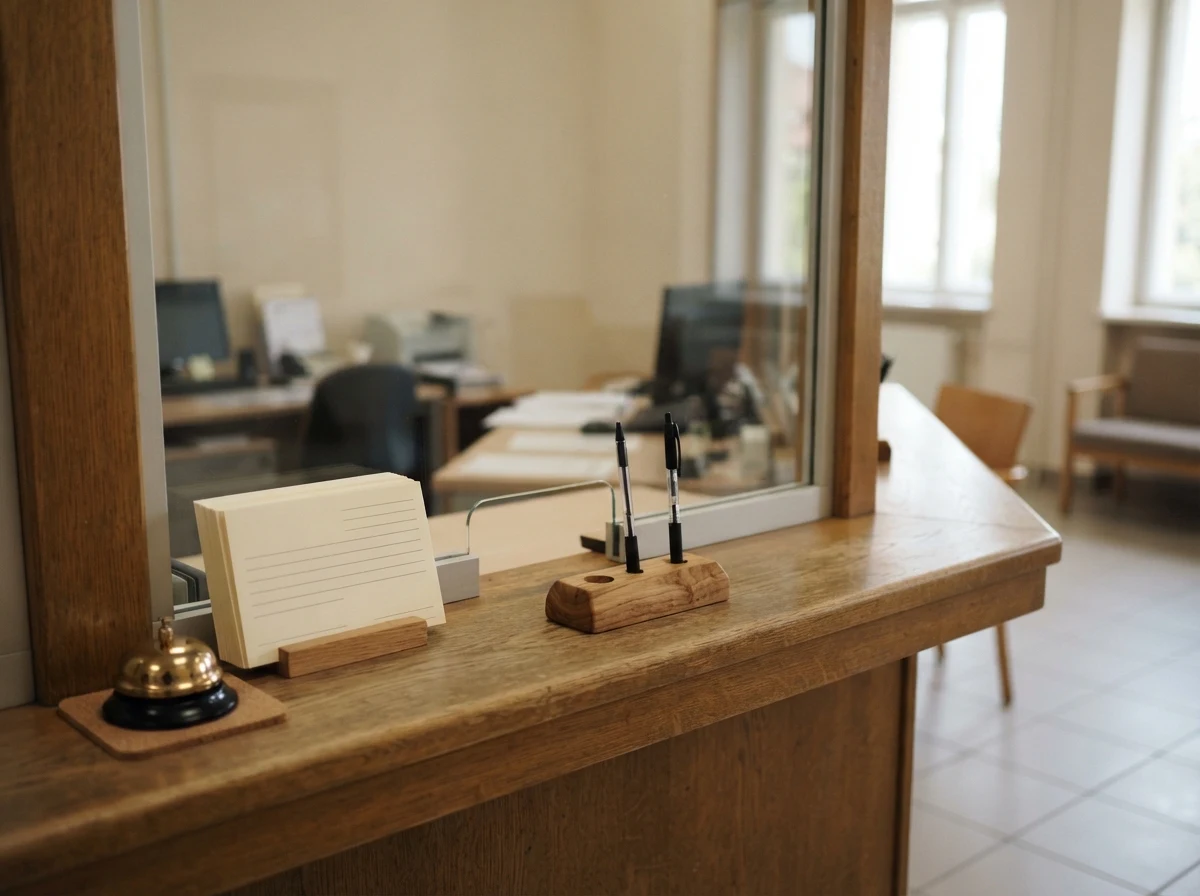
Town halls, ministries, public hospitals, schools and police stations serve residents who speak many languages, and they are expected to treat everyone fairly. A leaflet about waste collection, a notice about a rent subsidy, a form for a building permit or a warning about a flood must be understood by every household, not only by those who read the official language well. When translation is missing or poor, people miss deadlines, lose benefits or avoid services altogether. Public bodies also face rules on accessibility, data protection and public procurement that shape how translation can be ordered. Government translation works when notices are written in plain language first, translated by qualified specialists and checked by someone who knows the local procedure. This article describes practical steps for public offices that want to reach all residents with accurate information.
Which public documents need translation first
Start with texts that affect rights, safety and money: emergency alerts, health campaigns, tax and benefit letters, school enrolment forms and permit procedures. Offices that order government translation services benefit from a priority list that ranks documents by risk and by the number of people affected. Routine brochures can follow later, while urgent notices need a fast and reliable channel.
Plain language before translation
A clear source text produces a clear translation. Replace long sentences and legal jargon with short statements, explain abbreviations and put the action the reader must take at the beginning. Test the draft with a few residents. When the original is easy to read, translators spend less time on interpretation, costs drop and the translated version is less likely to cause confusion.
Official terms, names of offices and forms
Public administration uses titles and procedures that differ from one country to another. A translator should keep the original name of an office or form and add an explanation where needed, so that residents can find the right counter or download the right document. Our article on immigration translation shows how official terms and forms are handled for residents who deal with several administrations at once.
Procurement, quality and data protection
Public tenders for language services should state quality criteria, turnaround times, confidentiality duties and the format of deliverables. Ask bidders for sample translations and references, and keep a record of approved terms for future contracts. Personal data in forms and letters must be handled under the rules that apply to the office, so choose providers who work on secure systems and delete files when the task ends.
Interpreting at counters and public meetings
Written translation covers documents, but many residents also need help in person. Plan interpreters for public meetings, hearings and sensitive counter services, and train staff to speak slowly and to avoid idioms. Telephone interpreting can fill gaps for rare languages. Offering this help openly builds trust between residents and the administration.
Emergency and crisis communication
During floods, heat waves or health alerts, speed and clarity save lives. Prepare translated templates in advance for the main languages of the community, with space for dates, places and instructions. Keep a list of approved translators who can respond within hours, and share alerts through the channels that residents actually use, such as messaging groups and community radio.
Websites, portals and digital services
Many services have moved online, and a portal that is available only in one language excludes part of the public. Translate the pages that lead to key services first, such as registration, payments and appointments. Check forms, error messages and confirmation emails, because a missing translation at the last step can block the whole process.
Working with community organisations
Local associations, schools and faith groups know which languages residents speak and which words they trust. Invite them to review leaflets and to suggest formats that reach people who rarely visit official offices. Their feedback improves the clarity of messages and shows residents that the administration listens.
Keeping glossaries and translation memories
Public bodies repeat many sentences: opening hours, legal notices, fees and deadlines. A translation memory stores approved versions and reuses them, which lowers cost and keeps wording consistent between departments. Share the memory with all offices and update it whenever rules change, so that old wording does not return by accident.
Measuring access to language services
Count requests for translated documents, track response times and ask residents whether the information helped them complete the task. Publish the results inside the administration and use them in budget discussions. Clear data helps leaders decide which languages and services deserve more investment and shows progress to the public.
Training staff to work with language support
Front line employees are the first contact for many residents. Offer short training on how to book an interpreter, how to use translated forms and how to speak clearly with people who are still learning the language. A confident team handles difficult conversations calmly and reduces complaints.
Where to read more
For a neutral overview of how public bodies are organised, see the Wikipedia article on public administration, which describes the functions of government offices and services.