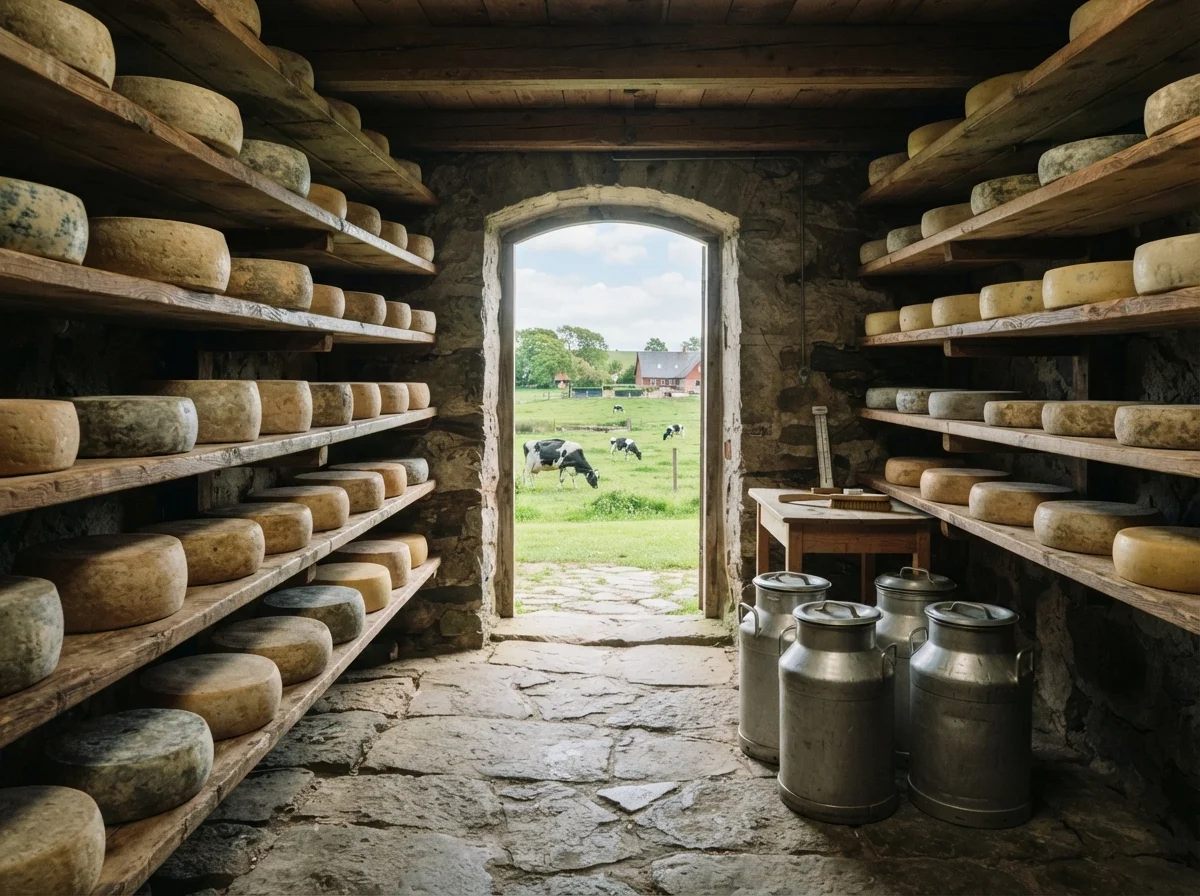
Denmark is a major exporter of dairy products, pork, organic food and agricultural technology, and farms, cooperatives and food companies send papers written in Danish to buyers in Germany, the United Kingdom, China and the United States. Danish translation for dairy, organic food and agriculture covers organic and quality certificates, product labels, farm audit reports, traceability records, veterinary papers, supplier contracts, export documents and technical sheets for machines and feed. Danish food law and organic rules use exact terms, and Danish words such as those for herd, batch, feed and control body must be rendered in the form that foreign inspectors expect, so a loose translation can hold up a shipment or cast doubt on a claim made on a label. A food export file moves without delay when certificates and labels use the terms of the target market, numbers and dates stay exactly as in the source and traceability records tell the same story in both languages. This article explains what producers should prepare and what a careful provider does.
Certificates, labels and organic claims
Inspectors and retailers read these papers first, so each claim must be supported. A producer that needs Danish translation services should send the final label artwork, the certificate with all annexes and the list of ingredients and additives. The translator should keep claims such as organic, free range or origin exactly as the source supports them, use the legal wording of the target market for allergens and storage and copy lot numbers and dates without change.
Farm audits, traceability and veterinary papers
These records show that food is safe and can be followed from farm to shelf. For translation from Danish to English of audit reports, traceability records and veterinary certificates, the provider should keep names of farms, animals and batches identical across the file, translate names of Danish control bodies in a consistent way with the original in brackets and mark unclear handwriting or stamps for review. Quantities, dates and test results must be copied with special care.
Contracts, export papers and glossaries
Supplier and distribution contracts set price, quality, delivery and liability, so both language versions must say the same. Ask the provider to keep clause numbers identical, to translate terms of delivery in line with trade practice and to build a glossary of product and process terms that is reused for labels, certificates and contracts. A final review by a linguist with food industry knowledge, and a check of the layout of labels and forms, helps the company present one consistent voice to buyers and authorities.
Top 4 simple daily habits to learn any new language fast
For a lighter read on how steady practice builds language skills, which is useful for teams that work across two languages every day, see our article on top 4 simple daily habits to learn any new language fast which explains how short regular sessions and real use of the language beat long and rare study.
Checking the translation before you submit
Before you send the file, compare every name, number and date with the source, and confirm that stamps and handwritten notes are marked in brackets. Ask the translator to fix any slip at no charge and to supply the signed statement with their name and credentials. A short final check can save weeks of delay with an office that rejects documents for small errors.
Quotes, deadlines and revisions
Ask for a written quote that lists word count, certification, delivery date and the number of review rounds included. Share deadlines early, because certified copies and long contracts need extra time. Agree how corrections are requested, and keep one contact person on your side so that feedback reaches the translator in one clear message.
Certification and legalisation
Offices abroad may require a certified translation and an apostille or attestation on the original paper. Ask what they accept in writing, order the certificate with the translation and keep scans of every stamped page. Plan extra days when several offices must stamp the same file.
Interpreting for meetings and hearings
Danish interpreters support business negotiations, clinics, immigration interviews and court hearings. Share names, dates and a short agenda in advance, and avoid using children as interpreters, because accuracy and privacy both suffer.
Machine translation and review
Machine tools give a quick gist of Danish text, but they often mishandle names, idioms and formal registers. Use them for rough understanding only and ask a native reviewer to check anything that will be submitted or published.
Storing your approved terms
After the first project, save approved names, titles and product terms in a short glossary and send it with every new order. Reuse of approved wording keeps documents consistent over months and lowers the cost of later projects.
Confidentiality and files
Send documents through a secure channel, share only what is needed and ask who will handle the files. Return all drafts in the same format as the original so that tables and stamps stay in place.
Where to read more
For a neutral overview of the history, grammar and use of the language, see the Wikipedia article on Danish language , which also covers its dialects, its spelling and its place among the Scandinavian languages.